Signs Your Home Needs New Subfloor Installation
If you notice issues like sagging floors or creaking sounds, local contractors specializing in subfloor installation can assess and replace your damaged subfloor efficiently.
Homeowners in the area who notice issues with their flooring or experience uneven surfaces may want to explore signs that indicate their home needs new subfloor installation. Recognizing these warning signs early can help prevent further damage and maintain the integrity of the entire flooring system. Common indicators include persistent squeaking, visible cracks, or noticeable shifts in the floor’s levelness. If these problems sound familiar, it could be a sign that the existing subfloor has deteriorated or become compromised, making it a good idea to consult with local contractors who specialize in subfloor installation.
Understanding when to seek professional help can save property owners time and money in the long run. Local service providers are equipped to assess whether a subfloor needs replacement and can recommend the best course of action to restore a safe, stable foundation for new flooring. Keep reading to learn more about the specific signs that point to the need for a new subfloor, and discover how experienced local contractors can assist in resolving these issues effectively.
- when signs your home needs new subfloor installation include visible water damage or sagging floors, which local contractors can assess and repair. - cracked or creaking flooring may indicate deteriorated subflooring, prompting local service providers to recommend replacement. - uneven or sloping floors often result from subfloor issues, and local pros can determine if new subfloor installation is necessary. - persistent musty odors or mold growth can signal subfloor problems that local contractors are equipped to address through replacement. - after foundation shifts or structural settling, local service providers can evaluate whether a new subfloor is needed to restore stability.
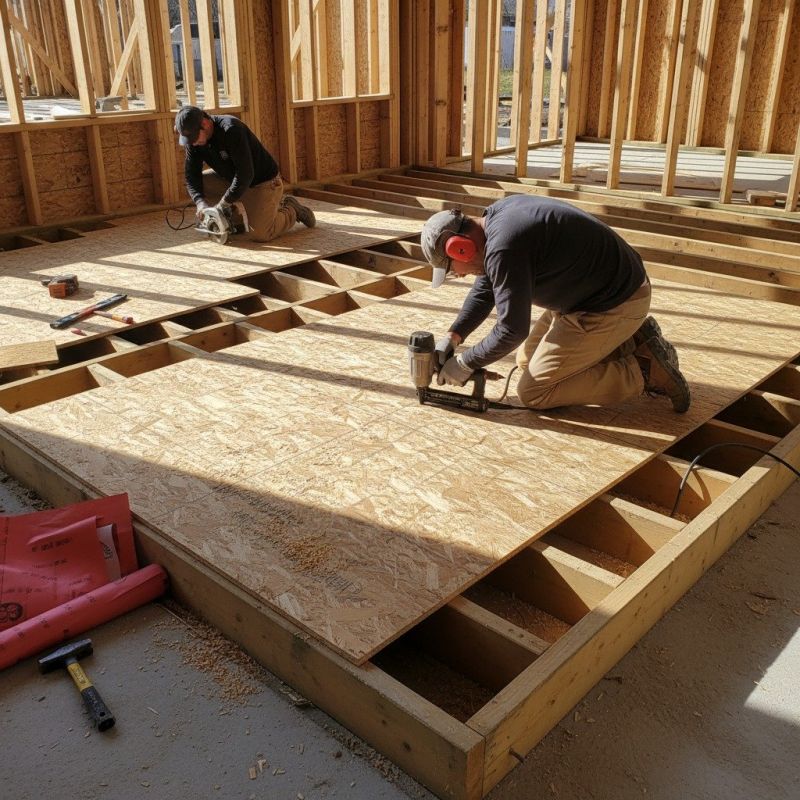
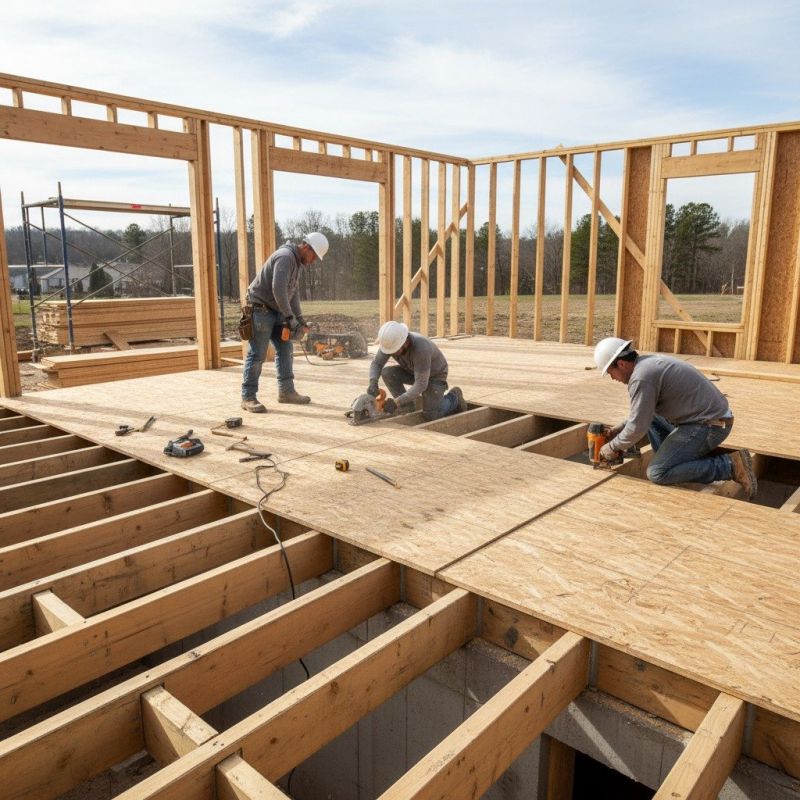
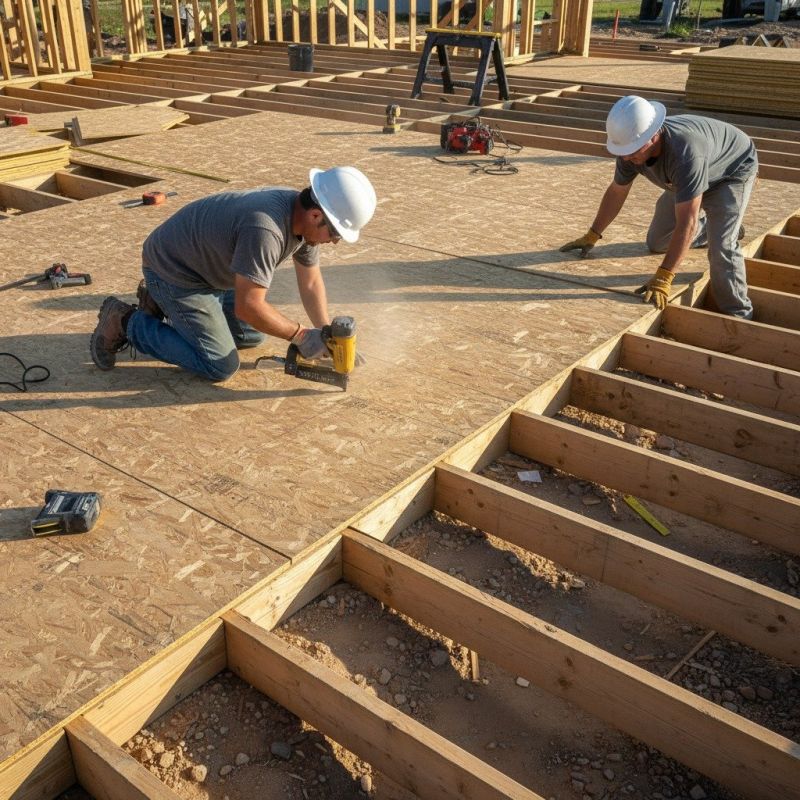
Understanding the signs that your home may need new subfloor installation is an important step for homeowners considering repairs or renovations. When people search for this topic, they often want to identify visible or tangible issues that indicate the existing subfloor has deteriorated or become compromised. Common concerns include uneven flooring, persistent squeaks, or noticeable soft spots that affect the stability and safety of a space. Recognizing these signs early can help homeowners determine whether a subfloor replacement is necessary before more extensive damage occurs, making it a key part of planning for repairs or remodeling projects.
Subfloor problems are often connected to underlying issues such as moisture intrusion, water damage, or structural shifts. These problems can lead to warped, rotted, or weakened subflooring that no longer provides a solid base for flooring materials like hardwood, laminate, or carpet. Homeowners might notice that their floors feel spongy or bounce excessively when walked upon, indicating compromised support beneath the surface. In some cases, visible mold or a musty smell can also point to moisture-related damage. Addressing these issues typically requires removing and replacing the subfloor, which is a task best handled by experienced service providers who understand how to assess the extent of damage and ensure proper installation.
Properties that commonly encounter subfloor issues include older homes with aging infrastructure, homes exposed to high humidity or water leaks, and structures with previous flooring or foundation problems. Residential properties such as single-family houses, townhomes, and multi-unit buildings are all susceptible to subfloor deterioration if conditions favor moisture buildup or structural shifts. Additionally, homes with basements or crawl spaces that are poorly ventilated are more prone to moisture-related damage, which can accelerate the need for subfloor replacement. Local contractors who specialize in subfloor installation can evaluate these properties to determine whether a new subfloor is needed to restore stability and support for the finished flooring.
When signs of subfloor deterioration become apparent, it’s important for homeowners to understand how local service providers can help. These professionals have the experience to assess the condition of the existing subfloor, identify underlying causes of damage, and perform the necessary removal and replacement work. Proper subfloor installation not only improves the safety and longevity of the flooring but also helps prevent further structural issues down the line. Connecting with reputable local contractors ensures that the project is handled efficiently and correctly, providing a solid foundation for the flooring and overall home comfort.
Flooring Replacement Projects - Replacing worn or damaged flooring often requires subfloor removal and installation, making it a related skill for local contractors experienced in subfloor services.
Basement Waterproofing - Addressing moisture issues in basements may involve subfloor repairs or replacement to prevent further damage, which aligns with subfloor installation expertise.
Home Renovation and Remodeling - Renovation projects frequently include subfloor assessments and upgrades to ensure a stable foundation for new flooring and finishes.
Moisture Damage Repairs - Fixing water-related damage to flooring or framing often necessitates subfloor replacement, requiring similar planning and tools used in subfloor installation.
Floor Leveling and Smoothing - Achieving a flat, even surface for new flooring can involve subfloor repairs or replacements, connecting directly to subfloor installation skills.
Foundation Repair Services - Foundation stabilization work may impact the subfloor system, making repairs or reinforcement tasks relevant to those experienced in subfloor work.
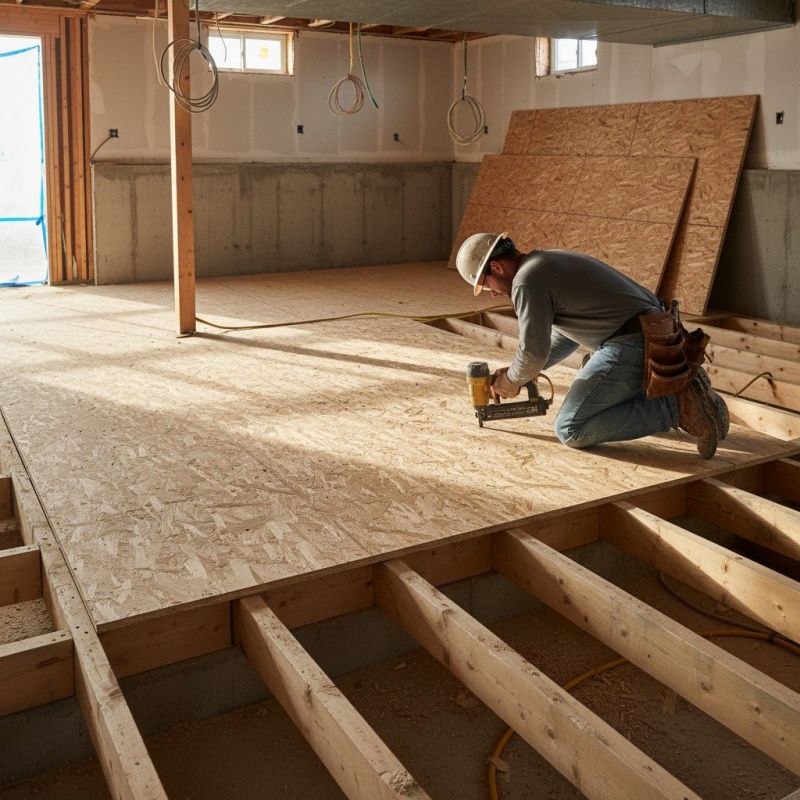
When evaluating potential service providers for subfloor installation, it’s important to consider their experience with similar projects. Homeowners should inquire about how many times the contractor has handled subfloor replacements or repairs, particularly in homes with comparable construction styles or flooring types. An experienced local contractor can better anticipate common issues, recommend appropriate materials, and ensure the work is done efficiently and effectively. Checking references or reviews can provide insight into the contractor’s track record with projects like yours, helping to gauge their ability to deliver quality results.
Clear communication and well-defined expectations are vital when working with local contractors on subfloor installation. Homeowners should seek service providers who can explain the scope of work in understandable terms, including the steps involved, materials used, and any potential disruptions during the project. A reputable contractor will be transparent about what the process entails and will be willing to answer questions thoroughly. Establishing these expectations upfront helps prevent misunderstandings and ensures everyone is aligned on the goals of the project.
Reputation and communication skills are key factors when comparing local service providers. Reputable contractors are often known for their professionalism, reliability, and ability to keep clients informed throughout the process. Good communication includes providing updates, addressing concerns promptly, and offering guidance on how to prepare for the work. Homeowners should look for service providers who can provide reputable references or testimonials, as these can serve as indicators of their ability to deliver satisfactory results. Choosing a contractor with a strong reputation and clear communication can help ensure that the project proceeds smoothly and meets expectations.
Property owners often search for signs your home needs new subfloor installation when they are planning practical projects around their homes and businesses. Local pros provide Subfloor Installation services for everyday jobs and straightforward project options.
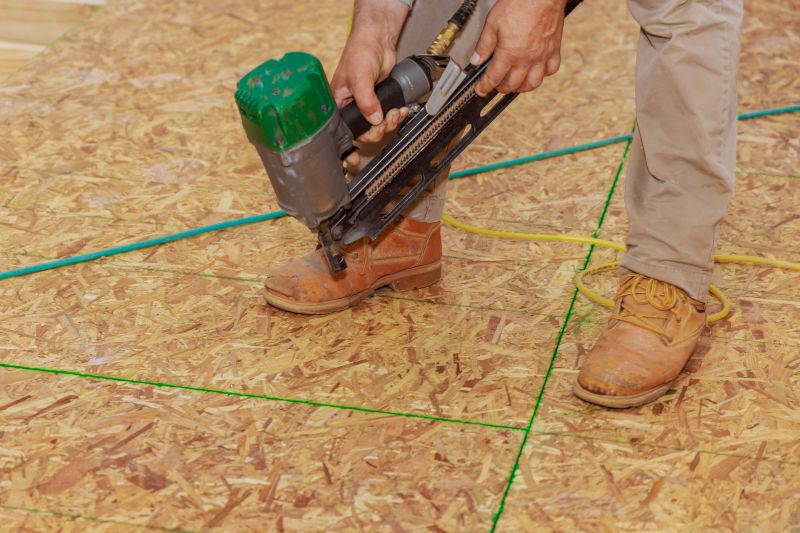
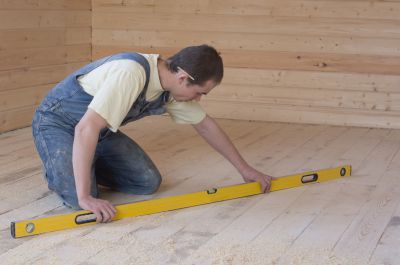
Homeowners in the area often notice certain signs that indicate a need for new subfloor installation. For example, if there are noticeable creaks or squeaks when walking across floors, it could be a sign that the existing subfloor has become loose or damaged. Additionally, if there are persistent uneven spots or noticeable dips in the flooring, it may suggest that the subfloor has warped or deteriorated over time. These issues can lead to further structural problems if not addressed, prompting property owners to seek out local contractors who specialize in subfloor replacement and repair.
Other common indicators include floors that feel spongy or soft underfoot, especially in specific areas. This can happen when the subfloor has become weakened due to moisture damage or rot. Visible signs such as cracks in the flooring surface or recurring musty odors can also point to underlying subfloor issues. When these signs appear, property owners often turn to local service providers experienced in subfloor installation, ensuring the foundation of the home remains stable and safe.
What are common signs that indicate my home needs new subfloor installation? Visible sagging, creaking sounds, or uneven flooring are often signs that the subfloor may be damaged and require replacement by local contractors.
How can I tell if my subfloor is damaged beneath the surface? If you notice soft spots, persistent squeaks, or if the floor feels unstable when walked on, it could point to subfloor issues that require professional assessment and installation services.
Are there specific issues that suggest water damage to the subfloor? Water stains, warping, or a musty odor can indicate water damage to the subfloor, which often necessitates replacement by experienced service providers.
What flooring problems might mean I need new subfloor installation? Cracks, buckling, or hollow-sounding areas under the flooring are signs that the subfloor may be compromised and should be inspected by local contractors for potential replacement.
When should I consider replacing my subfloor instead of repairing it? Extensive damage, mold growth, or persistent structural issues are indicators that a full subfloor replacement is recommended by local service providers to ensure safety and stability.
Uneven flooring or noticeable dips - spotting uneven areas in floors can indicate underlying subfloor issues that may require new installation services from local contractors.
Persistent squeaking or creaking sounds - hearing unusual noises when walking across floors might signal deteriorated subfloor material needing replacement.
Visible damage or mold growth - noticing water stains, rot, or mold on the subfloor surface suggests the need for professional subfloor installation to ensure safety and stability.
Loose or unstable flooring sections - experiencing shifting or looseness in flooring can be a sign that the subfloor no longer provides proper support, prompting a consultation with local service providers.
If you are thinking about signs your home needs new subfloor installation for a property, this guide is meant to help you understand this topic, the typical project types, and how different options might fit your plans.
When you are ready, you can use the quote form on this page to share a few details about your project. From there, local pros can review the basics and follow up with options that match what you have in mind.