Optimal Timing for Subfloor Replacement
Subfloor replacements are most effective when performed during periods of stable, dry weather. Moisture levels significantly impact the installation process, as excessive humidity can lead to swelling or warping of new materials. Ideally, replacement projects are scheduled in seasons with low rainfall and moderate temperatures to ensure proper adhesion and drying.
Spring and early fall typically provide ideal conditions for subfloor replacement due to milder weather and lower humidity levels.
High humidity and rain can delay installation, increase the risk of mold, and compromise the integrity of the new subfloor.
Indoor environments should be controlled to maintain consistent temperature and humidity during and after installation for best results.
Planning replacement during periods of low occupancy can minimize disruptions and allow for proper curing time.
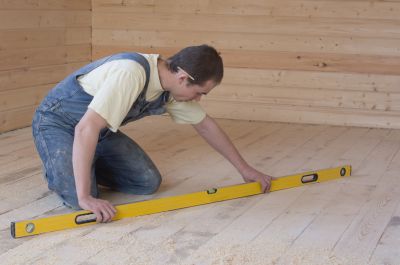
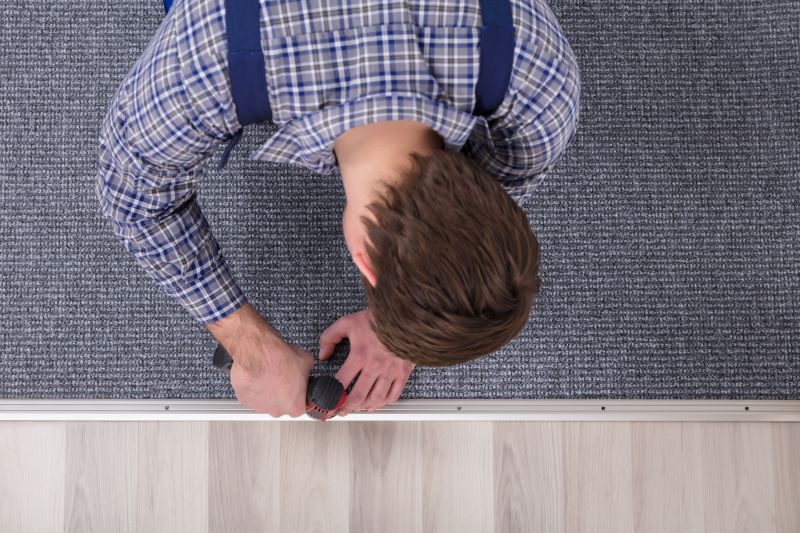
A technician installing a new subfloor during a clear, dry day.
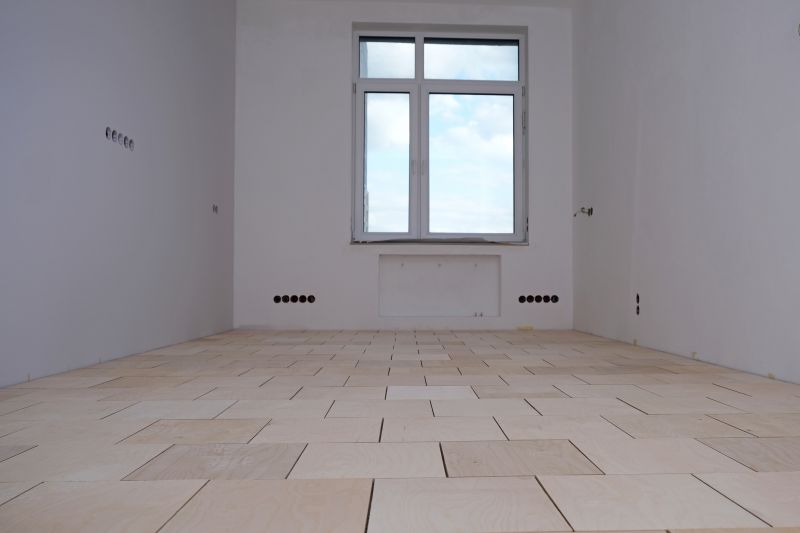
A comparison of indoor conditions during different seasons affecting subfloor work.

Maintaining optimal humidity levels inside a building for effective subfloor replacement.
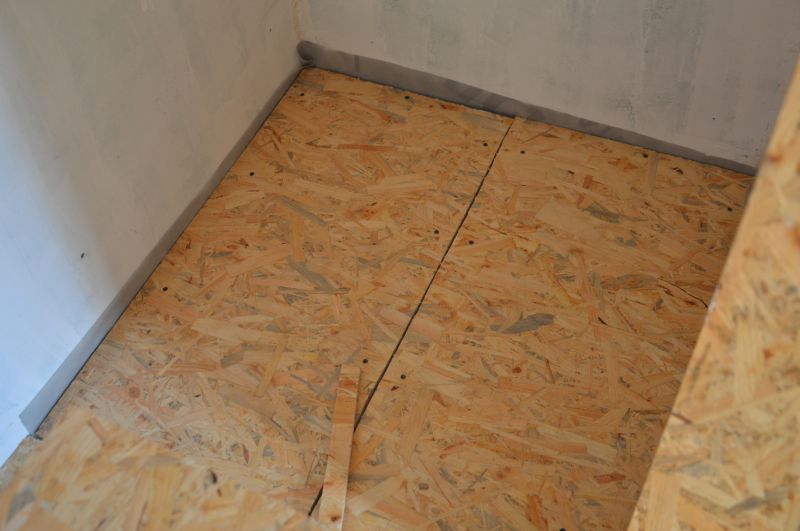
Ways to make Subfloor Replacements work in tight or awkward layouts.
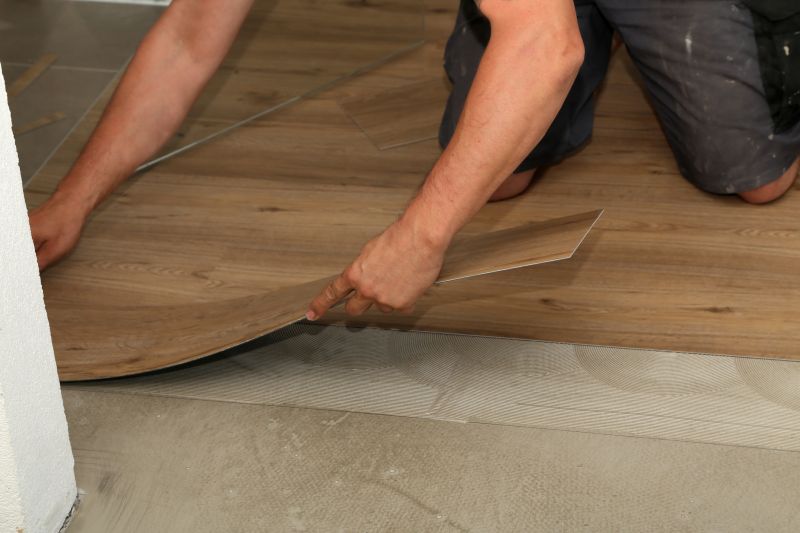
Popular materials for Subfloor Replacements and why they hold up over time.
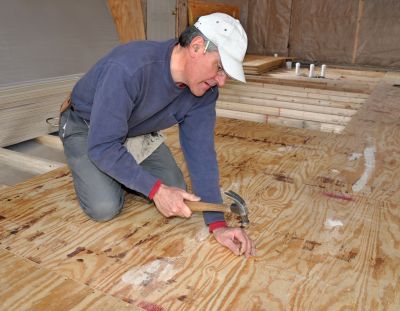
Simple add-ons that improve Subfloor Replacements without blowing the budget.
| Season | Advantages |
|---|---|
| Spring | Moderate temperatures and lower humidity facilitate installation. |
| Summer | Longer daylight hours allow flexible scheduling. |
| Fall | Cooler weather reduces moisture risks. |
| Winter | Potential delays due to cold and humidity. |
| Dry months | Ideal for minimizing moisture-related issues. |
Subfloor replacements are a critical component of maintaining structural integrity and ensuring a safe, level surface for flooring installation. Proper timing, aligned with weather conditions, plays a vital role in the success and longevity of the project. Moisture control, indoor climate management, and scheduling during suitable seasons can prevent common issues such as warping, mold growth, and adhesion failures.
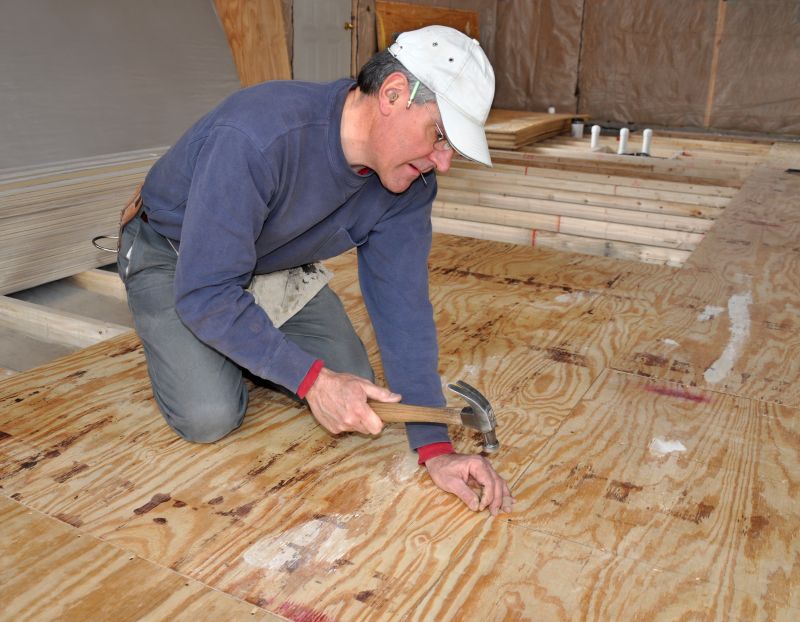
Technicians working on a dry, well-prepared subfloor.
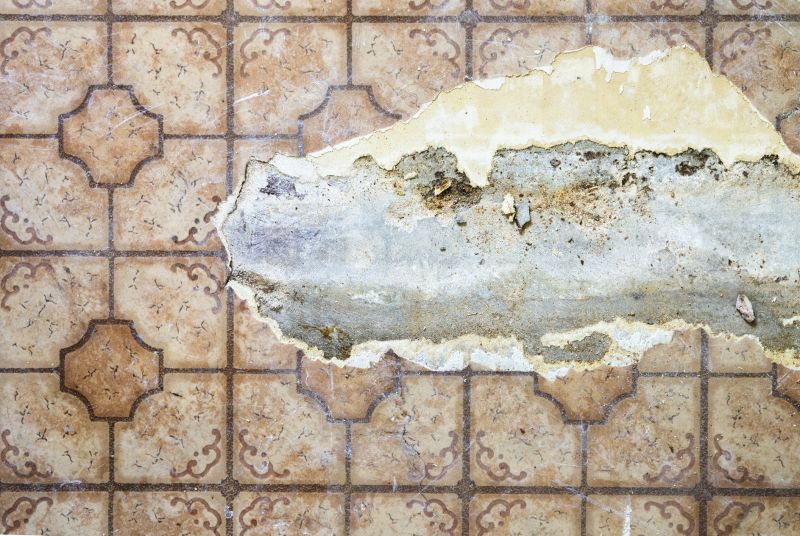
Visual comparison of weather conditions affecting subfloor work.
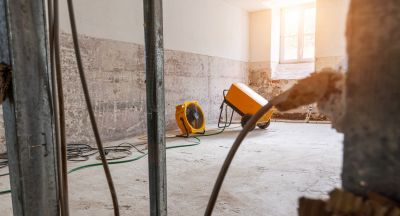
Dehumidifiers and heaters used to maintain optimal conditions.
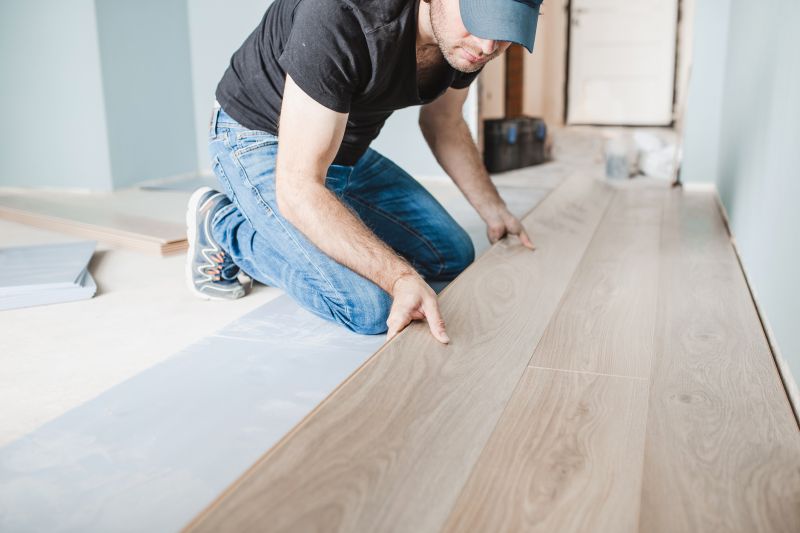
A completed, level subfloor ready for flooring installation.
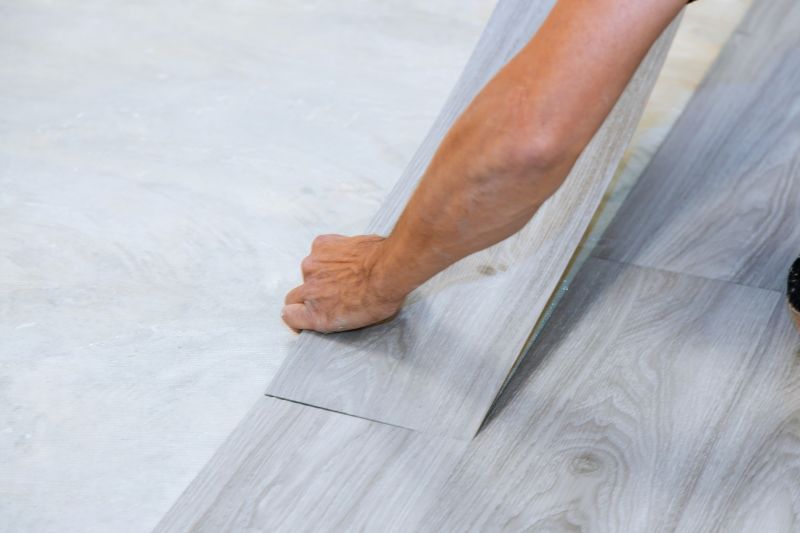
High-end options that actually feel worth it for Subfloor Replacements.
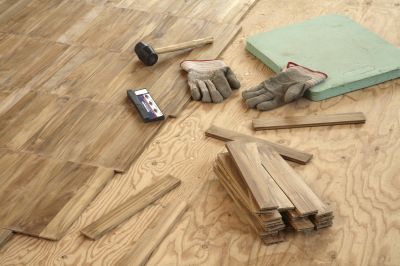
Finishes and colors that play nicely with Subfloor Replacements.
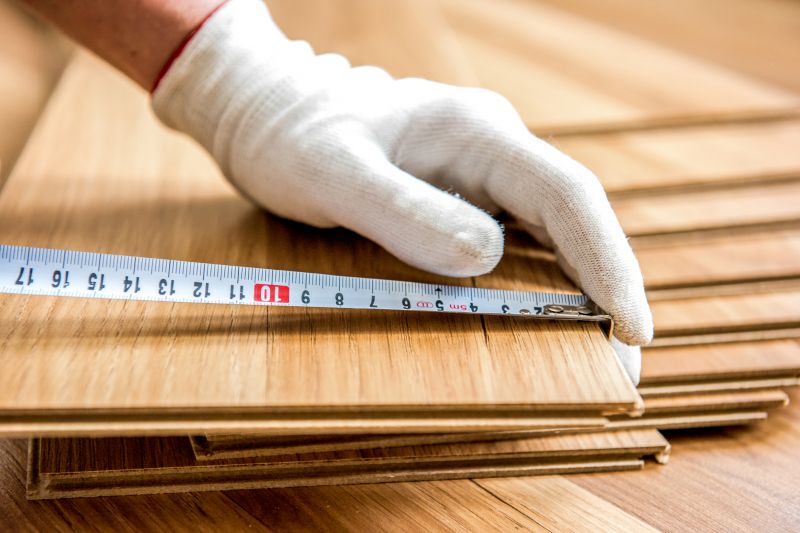
Little measurements that prevent headaches on Subfloor Replacements day.
A 60-second routine that keeps Subfloor Replacements looking new.
For those considering subfloor replacement, scheduling during favorable weather conditions can lead to better results and longer-lasting outcomes. Proper planning and timing, along with indoor climate management, are essential to ensure the durability and stability of the new subfloor. Interested parties are encouraged to contact for further information and assistance with planning their project.