
Popular Subfloor Replacement Products For Reliable Flooring Support
Discover trusted materials and tools that simplify your subfloor upgrade process for long-lasting results.
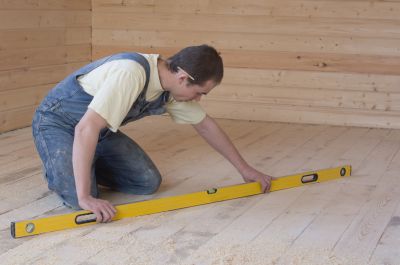 Replacing a subfloor is a critical step in maintaining the structural integrity and safety of a flooring system. Subfloors serve as the foundational layer beneath finished flooring materials such as hardwood, laminate, tile, or carpet. Over time, subfloors can suffer from damage caused by moisture, mold, rot, or structural shifts, necessitating replacement. Selecting the appropriate products for subfloor replacement involves understanding different materials, their durability, and suitability for specific environments.
Top Overall Option
High-Quality Plywood Sheets
High-grade plywood sheets are a versatile and reliable choice for subfloor replacement. They offer a sturdy, uniform surface that can be easily cut and installed, making them suitable for a variety of flooring types. Opting for plywood with a smooth surface and multiple plies enhances durability and stability, providing a solid foundation for your finished flooring. Properly installed plywood can help ensure a level surface and long-term performance, especially when combined with appropriate sealing and fastening techniques.
Types of Products For Subfloor Replacements
Plywood Sheets
Plywood is a common choice for subflooring due to its strength and ease of installation.
Oriented Strand Board (OSB)
OSB panels are an alternative to plywood, offering good strength and affordability.
Tongue and Groove Panels
Designed for seamless installation, these panels lock together for added stability.
Moisture-Resistant Plywood
Ideal for areas with higher humidity or moisture exposure, enhancing durability.
Concrete Backer Boards
Suitable for tile installations, providing a stable, moisture-resistant base.
Cement Boards
Heavy-duty boards that resist water and provide a solid base for tile or stone.
Subfloor Adhesives
Specialized adhesives that secure subfloor panels and prevent squeaking.
Underlayment Panels
Thin panels used to create a smooth, even surface before finishing layers.
Insulated Subfloor Panels
Panels with built-in insulation for enhanced thermal performance.
Soundproofing Underlayments
Materials designed to reduce noise transmission between floors.
Reinforced Fiber Panels
Panels with added fiber reinforcement for increased strength and durability.
Rigid Foam Insulation Boards
Used beneath subfloors for thermal insulation and moisture control.
Vapor Barriers
Sheets that prevent moisture from seeping into the subfloor, protecting against mold and rot.
Subfloor Repair Kits
Complete kits for patching and repairing damaged subfloor sections.
Structural Plywood
Heavy-duty plywood designed for load-bearing applications in subflooring.
Foam Core Panels
Lightweight panels providing insulation and a smooth surface for finishing.
Popular Choices
Widely used for general subflooring needs, offering versatility and ease of installation.
A common alternative to plywood, appreciated for its affordability and strength.
Preferred in areas with higher humidity to prevent warping and damage.
Facilitate quick, secure installation with seamless joints.
Popular for tile installations, providing a stable base resistant to moisture.
Increasingly chosen to reduce noise between floors in multi-story buildings.
Gaining popularity for energy efficiency in residential spaces.
Commonly used in basements and crawl spaces to prevent moisture issues.
Chosen for high-traffic areas requiring extra durability.
Popular for thermal insulation beneath subfloors in cold climates.
Frequently used for quick fixes to damaged or uneven subfloor areas.
Often selected for load-bearing applications due to its strength.
The process begins with assessing the extent of damage and determining whether partial or full replacement is required. Once the scope is clear, choosing the right materials ensures a stable base for the finished flooring. Common options include plywood sheets, oriented strand board (OSB), and specialized subfloor panels designed for moisture resistance. Proper installation techniques are essential to ensure the longevity and performance of the new subfloor.
Safety and compatibility are also important considerations. For instance, in areas prone to moisture such as basements or bathrooms, selecting moisture-resistant or waterproof options can prevent future issues. Additionally, the subfloor must be level and securely fastened to support the weight and traffic it will bear. When selecting products, it’s vital to consider the specific needs of your space and the type of finished flooring you plan to install afterward.
Key Buying Considerations
- Assess the extent of damage to determine if partial or full replacement is necessary.
- Choose materials suitable for the environmental conditions, such as moisture-resistant options for humid areas.
- Ensure compatibility with the finished flooring type planned for installation.
- Consider the load-bearing requirements of the space to select appropriately rated panels.
- Opt for panels with smooth surfaces if a flat finish is desired for the final floor.
- Evaluate the thickness of the subfloor material to match existing floor heights and transitions.
- Look for panels with good fastening properties to prevent squeaking and movement.
- Incorporate vapor barriers or moisture-resistant materials in areas prone to dampness.
- Select panels that are easy to cut and handle for efficient installation.
- Consider additional features like soundproofing or insulation if needed for comfort and noise reduction.
- Check local building codes or regulations to ensure compliance with standards.
- Compare different fastening and adhesive options to achieve a secure fit.
- Prioritize quality to enhance durability and reduce the need for future repairs.
- Think about the long-term maintenance requirements of the chosen products.
- Review product warranties or manufacturer recommendations for best results.